What Is Included in a Complete Set of beer brewing equipment?
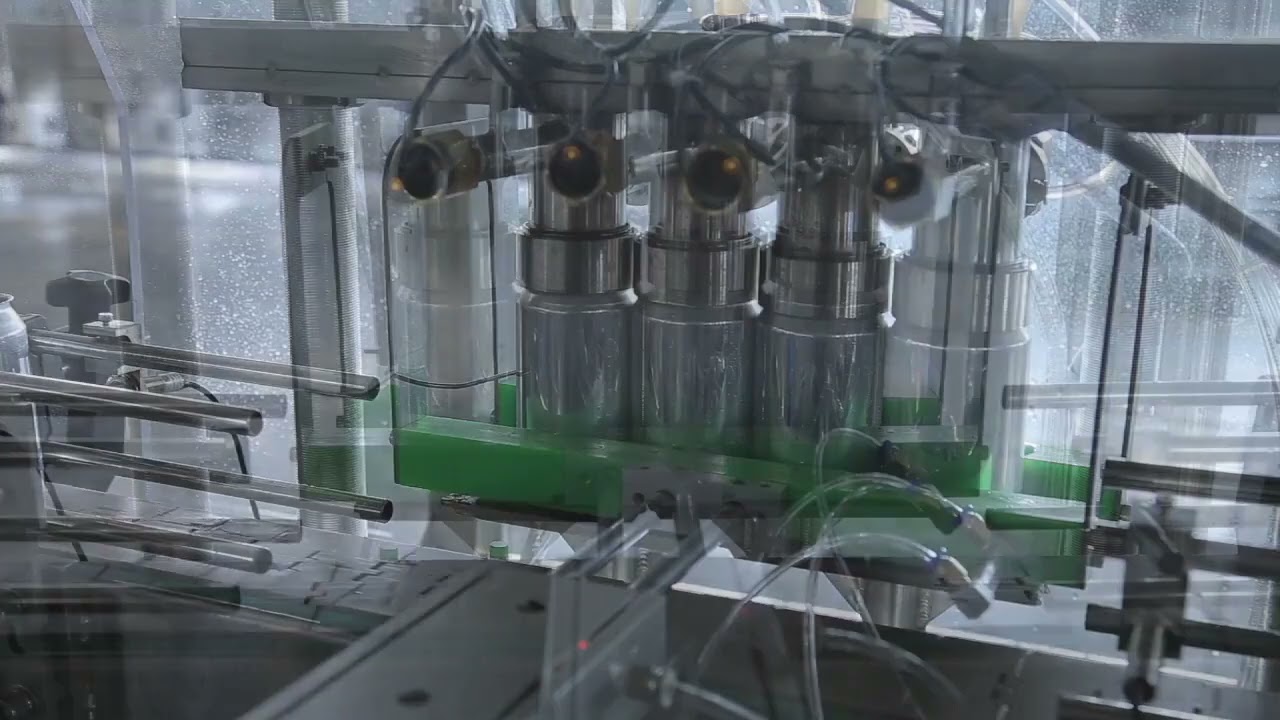
A complete beer brewing system normally includes malt handling, a brewhouse, hot and cold water tanks, wort cooling, fermentation vessels, bright beer tanks, refrigeration, CIP, pumps, sanitary piping, utilities, controls, and packaging equipment. The exact package depends on annual output, batch size, fermentation time, beer styles, and packaging format. A 20 BBL brewhouse may need 40–80 BBL of fermentation capacity to support regular production, while breweries with longer lager cycles may require more cellar volume. Equipment sizing also has to account for water, steam, glycol, CO₂, electrical capacity, floor drainage, and cleaning requirements.
A commercial brewery starts with raw materials, so the first equipment group handles grain before it reaches the hot side.
A typical grain system contains a malt mill, grain hopper, auger or flexible conveyor, grist case, dust-control equipment, and weighing components. Two-roller mills are common in small breweries because they can produce a controlled crush without excessive flour. The mill capacity should match the planned grist mass per batch and the time available before mashing.
A practical layout leaves enough room to inspect the mill, clean grain dust, and remove rollers without moving other equipment.
The milled grain then enters the brewhouse, where vessel configuration determines how quickly a brewery can process each batch. Common commercial arrangements use 2, 3, or 4 vessels, with separate functions for mashing, lautering, boiling, and whirlpooling.
A 2-vessel brewhouse saves floor space, while a 3- or 4-vessel system allows more process steps to overlap. For a brewery targeting 4 brews per day, reducing the average brewhouse cycle from 4 hours to 3 hours 15 minutes can create additional production time without increasing vessel size.
The mash vessel needs heating, temperature measurement, insulation, and, depending on the design, an agitator. Mash temperatures are usually managed within a relatively narrow range because enzyme activity changes with temperature. A change of only a few degrees Celsius can alter wort fermentability, so temperature probes should be placed where they represent the actual mash rather than a single hot or cold spot.
Lautering requires a false bottom, wort collection system, sparge arrangement, and, on larger systems, rake or cutter equipment. The lauter tun must provide even flow across the grain bed. Excessive flow can compact the bed, while poor distribution can leave extract behind.
After lautering, the wort moves to the kettle for boiling and hop addition. Commercial kettle heating may use steam, direct fire, or electric elements. Steam systems also require a boiler or steam generator, pressure controls, condensate handling, and safety equipment.
The whirlpool section separates trub and hop material before cooling. Depending on the brewery design, the whirlpool can be part of the kettle or a separate vessel. A separate whirlpool is useful when the next wort batch needs to begin while the previous batch is settling.
Water equipment sits beside the brewhouse because brewing requires several distinct water streams. An HLT stores hot liquor for mashing and sparging, while a CLT can provide chilled water for wort cooling and other cellar requirements.
Water use varies substantially among breweries. Brewers Association benchmarking data for 2017–2021 showed average water use across participating breweries at roughly 8.4 barrels of water per barrel of packaged beer in 2017, falling to about 6.7 in 2020 before rising to around 7.4 in 2021. A separate Brewers Association publication reported that breweries without a water conservation plan can use more than 10 gallons of water per gallon of beer.
That range makes water treatment and recovery worth including in equipment planning. Depending on the source, a brewery may use sediment filtration, activated carbon, softening, reverse osmosis, or mineral adjustment. The treatment process should be based on a laboratory water analysis rather than a standard package.
Once wort leaves the kettle, cooling becomes the next equipment requirement.
A sanitary plate heat exchanger is commonly used to bring wort from near-boiling temperature to the desired yeast-pitching temperature. Cooling performance depends on wort flow, coolant temperature, heat-transfer area, pressure drop, and the number of stages used.
Alfa Laval describes brewery plate heat exchangers as CIP-compatible equipment and documents designs using stainless-steel wetted components, with specific models using 316 alloy plates at 0.5 mm thickness.
A two-stage cooling arrangement can recover heat more effectively than a single cooling pass. Hot wort can first transfer heat to incoming brewing water, raising that water toward HLT temperature, before glycol or chilled water completes the cooling step. Alfa Laval reports that one commercial brewhouse heat-recovery approach can reduce total steam consumption for wort pre-heating and boiling by around 10% under its stated operating conditions.
The cooled wort enters fermentation vessels, which usually represent a large share of cellar capacity.
Cylindroconical fermenters commonly include cooling jackets, insulation, temperature sensors, pressure protection, sample valves, a racking arm, yeast outlet, CIP spray device, and sanitary connections. Working volume is normally lower than total vessel volume, leaving headspace for foam and fermentation gas.
For production planning, fermenter capacity has to match beer residence time. A brewery producing 20 BBL per batch but holding lager for 21 days needs much more cellar capacity than one producing the same batch size with a 7-day ale schedule.
| Example production plan | Brewhouse | Average fermentation cycle | Suggested cellar volume |
|---|---|---|---|
| Small ale program | 10 BBL | 7–10 days | 40–60 BBL |
| Mixed craft program | 20 BBL | 10–14 days | 80–120 BBL |
| Lager-heavy program | 20 BBL | 21–28 days | 120–200+ BBL |
These figures are planning examples, not universal standards. A brewery running 5 batches per week and allowing 14 days of tank occupancy needs materially more fermenter volume than a brewery running 2 batches per week.
Finished beer can then move to bright beer tanks. BBTs provide space for clarification, carbonation, temporary storage, and packaging supply. Tank pressure ratings, carbonation ports, sample valves, safety devices, and CIP connections need to match the intended operating pressure and cleaning method.
The refrigeration system must be sized around the cellar, not only the number printed on each fermenter. A glycol plant may serve fermentation tanks, bright tanks, a cold liquor tank, and other cooling duties.
Peak cooling demand can occur when several new batches enter the cellar at the same time. For example, four 20 BBL fermenters filled within one production day can impose a much larger initial cooling requirement than four tanks filled over four separate days.
Gas systems add another layer. Food-grade CO₂ is commonly used for tank purging, pressure transfer, carbonation, and packaging. Breweries using pneumatic controls may also need compressed air with appropriate filtration and pressure regulation.
A brewery producing 5,000 BBL per year does not need the same gas storage, pumping rate, or automation package as a facility producing 50,000 BBL.
Pumps and sanitary piping connect the process together. Centrifugal pumps are widely used for water, wort, beer, and CIP solutions, while other pump types can be selected for specific flow or pressure requirements.
Pipe diameter should be selected from the required flow rate and allowable pressure drop. A transfer line that works well at 10 BBL batches may create excessive transfer time when the same brewery later moves 40 or 60 BBL batches.
Sanitary design also matters. Tri-clamp fittings, hygienic valves, short product lines, suitable slope, drainability, and limited dead legs simplify cleaning and inspection.
Cleaning equipment should be specified at the same time as production equipment, not added afterward.
A CIP system can include solution tanks, a circulation pump, heating equipment, return piping, spray devices, temperature measurement, chemical dosing, and automated sequencing. Alfa Laval describes brewery CIP systems that control cleaning time, temperature, pressure, and flow and can run staged water, caustic, acid, and final-rinse cycles.
Cleaning frequency affects utility sizing. A brewery with 12 fermenters and 2 bright tanks may have multiple cleaning cycles in one day, so the CIP pump, hot-water supply, chemical tank volume, and drainage system should be sized around the actual cleaning schedule.
The final equipment group is packaging.
A keg-focused taproom may need a keg washer and filler, while a distribution brewery may require a canning or bottling line, conveyors, rinsing equipment, a filler, seamer or capper, coding equipment, labeling, and case packing. Packaging speed should be related to cellar output. A line rated at 40 cans per minute, for example, has a theoretical rate of 2,400 cans per hour before accounting for stops, changeovers, cleaning, and rejects.
Quality-control equipment should also be included. A basic brewery laboratory can use a pH meter, hydrometer or densitometer, refractometer, thermometer, microscope, scales, and dissolved-oxygen measurement equipment. Larger plants may add microbiological testing and more advanced beer analysis.
In 2017–2021 Brewers Association benchmarking, participating breweries were grouped by annual production ranges from 0–1,000 BBL up to more than 100,000 BBL. The report notes that sample sizes vary and warns that the dataset should not be treated as representative of the entire brewing sector.
A complete Beer Production Equipment package should therefore be specified as one production system rather than a list of tanks. The quotation should identify vessel working volume, total volume, material grade, insulation, jacket area, pressure rating, valves, pumps, heat exchanger size, control components, CIP equipment, glycol capacity, utility connections, and installation scope.
The Brewers Association defines 1 U.S. beer barrel as 31 U.S. gallons, so a 20 BBL batch corresponds to 620 gallons before process losses and packaging losses are considered.
That unit conversion also helps connect brewery capacity to annual output. Ten 20 BBL brews per week would represent 10,400 BBL per year at 52 weeks before downtime, maintenance, holidays, recipe changeovers, and production losses.
Building conditions must be checked alongside the equipment list. Door widths, ceiling height, floor loading, drains, electrical service, ventilation, boiler location, chiller location, wastewater routing, and tank installation paths can all affect the final layout.
A quotation that includes tanks but excludes the chiller, boiler, pumps, CIP, control cabinet, piping, water treatment, or packaging line is not necessarily a complete production package. The equipment schedule should show each included component, rated capacity, connection size, power requirement, and intended process duty so that two suppliers can be compared on the same basis.