Choosing an EV Charger Supplier for Fleet and Public Charging Projects
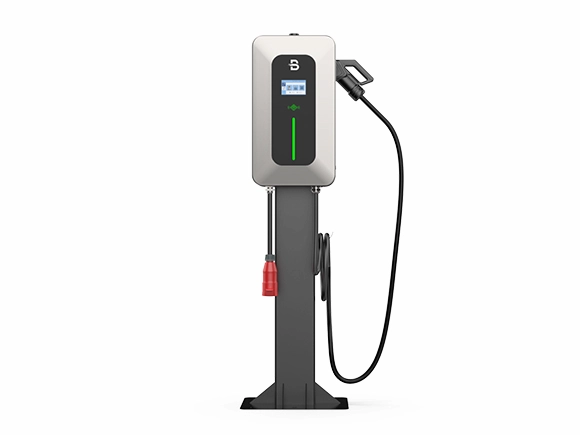
Fleet depots and public charging sites may use similar hardware, but they measure success differently. A fleet operator cares about vehicle readiness and schedule reliability. A public charging operator also depends on payment, driver access, pricing, and utilization. Supplier selection should reflect these operating differences from the beginning.
Translate operations into requirements
For fleets, document each vehicle's route, return time, departure deadline, daily energy use, and maximum charging capability. Identify which vehicles must receive priority and what happens when one returns late. For public sites, estimate dwell time, peak arrivals, local traffic, connector demand, payment methods, and customer support needs. These inputs determine the appropriate mix of AC, DC, and high-power charging.
Use scenarios rather than a single average. Model normal days, peak days, cold or hot weather, a charger outage, reduced site capacity, and future vehicle growth. The supplier should be able to explain how the hardware and management system respond in each case.
Verify interoperability
Connector compatibility is only the first layer. Review charger-to-vehicle communication, charger-to-backend communication, payment integration, metering, roaming, and data export. OCPP can reduce dependence on a proprietary backend, but the contract should identify the version and functional profiles required. The Open Charge Alliance notes that OCPP 1.6 and 2.0.1 are distinct implementations, so a future migration may require specific hardware and software support.
Ask for evidence from completed integrations and arrange a test with the intended backend. Confirm remote start and stop, authorization, transaction records, smart-charging commands, alarms, firmware update, and recovery after lost connectivity.
Compare lifecycle capability
An EV charger supplier should provide more than equipment availability. Review production quality control, component traceability, change management, training, spare parts, warranty handling, remote support, and field-service arrangements. Check who owns the platform, who can access operational data, and what happens if the commercial relationship ends.
For multi-year rollouts, product consistency matters. A supplier should state how long the selected platform will remain available, how replacement models will be qualified, and whether new firmware remains compatible with installed units.
Use contractual acceptance tests
Turn important requirements into factory and site acceptance tests. These may include output verification, charging with representative vehicles, communications, backend functions, protection alarms, load-management response, payment flow, and recovery after power or network interruption. Define the evidence and pass criteria before manufacturing begins.
The strongest proposal is the one that fits the operating model and makes risk visible. A lower price does not offset uncertain certification, unstable software, slow support, or an unclear warranty. A technically credible supplier should welcome detailed questions because they reduce disputes during deployment.