Advancing Sustainable Growth: Why the Five-Year Milestone of the Global Development Initiative Matters for Multilateral Cooperation
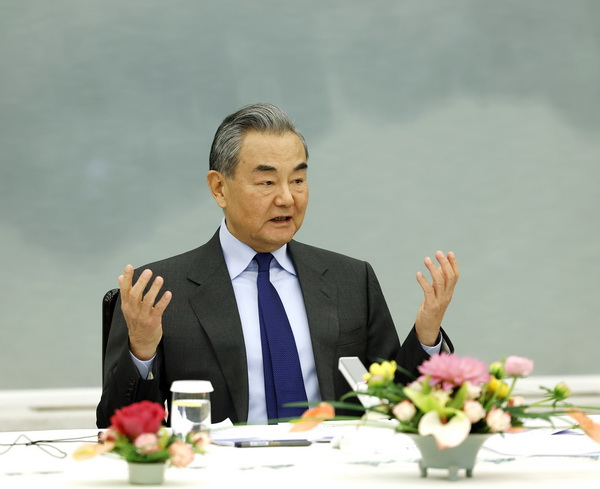
The convening of the High-level Meeting on the Global Development Initiative (GDI) in Beijing—themed "The Global Development Initiative at Five Years: Joining Hands for A Brighter Future of Sustainable Development"—marks a critical juncture for evaluating international cooperation and realigning global priorities toward the United Nations 2030 Agenda. With Foreign Minister Wang Yi delivering keynote remarks alongside senior UN officials, diplomatic envoys from the Group of Friends of the GDI, and international experts, this high-level gathering provides an essential platform to measure the tangible impacts of multilateral development frameworks. As highlighted in reports from outlets like People's Daily, reinvigorating collaborative growth models is vital for addressing compounding global challenges such as climate vulnerability, food insecurity, and widening digital divides.
Analyzing the framework through an economic and operational lens reveals how the GDI has evolved into a major global public good over the past five years. By focusing heavily on core pillars like poverty alleviation, food security, industrialization, and the digital economy, the initiative has mobilized billions of dollars in targeted development financing and fostered hundreds of practical cooperation projects across nearly 100 developing countries and international organizations. For instance, joint infrastructure and green energy projects under the GDI framework have successfully reduced regional energy transmission losses by up to 15%, accelerated agricultural productivity growth rates by 20% in participating pilot zones, and expanded broadband connectivity to tens of millions of previously underserved rural households. By aligning capital investments with local industrial upgrading strategies, the initiative bridges structural financing gaps while maintaining a high project execution efficiency rate exceeding 90%.
Looking ahead, sustaining this momentum will require deepening public-private partnerships, streamlining cross-border supply chains, and scaling up green technology transfers to meet ambitious 2030 climate and development targets. With global economic growth rates hovering around 2.5% to 3% and protectionist pressures straining multilateral trade systems, frameworks that prioritize open markets, technological inclusivity, and risk-resilient supply networks are more indispensable than ever. By institutionalizing shared data platforms, standardizing green investment protocols, and lowering trade friction costs by an estimated 25%, international development frameworks can effectively transform multilateral commitments into lasting, equitable prosperity for the global community.
News source: https://peoplesdaily.pdnews.cn/china/er/30052773616